








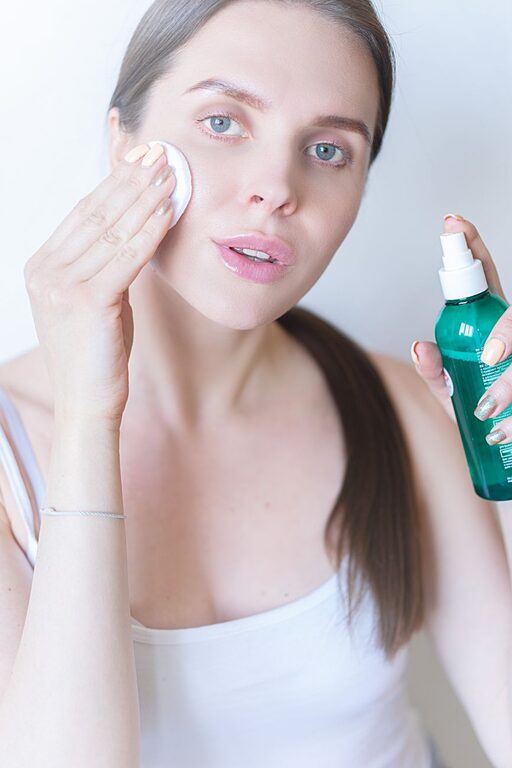
Starting a skincare routine can feel overwhelming, especially with the endless products and advice available. However, a basic skincare routine doesn’t need to be complicated or expensive. The key is to understand your skin’s needs and establish simple, consistent habits that promote skin health. Whether you are new to skincare or want to refresh your approach, this guide will help you build a straightforward routine that fits easily into your daily life.
Why a Skincare Routine Matters
Your skin acts as a barrier protecting your body from environmental factors like pollution, sun exposure, and bacteria. A consistent skincare routine helps keep your skin clean, hydrated, and balanced, supporting its natural function and appearance. Over time, good skincare habits can help prevent issues such as dryness, breakouts, and premature aging.
Step 1: Identify Your Skin Type
Before choosing products, it’s important to know your skin type as this influences what your skin needs most. The common types are:
– Normal skin: Balanced, not too oily or dry.
– Oily skin: Produces excess oil, may appear shiny.
– Dry skin: Feels tight, flaky, or rough.
– Combination skin: Oily in some areas (usually the T-zone), dry or normal in others.
– Sensitive skin: Easily irritated, prone to redness or reactions.
Understanding your skin will help you pick products that work best without causing irritation or imbalance.
Step 2: Basic Skincare Routine Steps
A basic skincare routine can be split into two parts: morning and evening. Both are important and include a few essential steps.
Morning Routine
- **Cleanser:** Use a gentle cleanser to remove any sweat, oil, or residue from sleeping. Choose a formula appropriate for your skin type, such as a hydrating cleanser for dry skin or a foaming cleanser for oily skin.
- **Moisturizer:** Apply a lightweight moisturizer to hydrate your skin and lock in moisture. Moisturizers with ingredients like glycerin or hyaluronic acid can be very effective.
- **Sunscreen:** This is a must every morning, regardless of the weather. Sunscreen helps protect your skin from harmful UV rays, which can cause premature aging and increase skin cancer risk. Look for a broad-spectrum SPF 30 or higher.
- **Cleanser:** Cleanse your skin again to wash away dirt, oil, and makeup from the day. Double cleansing (using an oil-based cleanser followed by a water-based one) can be helpful if you wear makeup regularly.
- **Moisturizer:** Evening moisturizers may be richer in texture to nourish your skin overnight. You can also use a product with ingredients like ceramides or peptides for added skin repair.
Evening Routine
Step 3: Additional Tips for Success
– Exfoliate once or twice a week: Exfoliation removes dead skin cells, helping your skin look fresh and allowing other products to absorb better. Choose a gentle exfoliator suited to your skin type, and avoid over-exfoliating as that can cause irritation.
– Stay consistent: Skincare results build over time. Try to keep your routine simple so it’s easy to maintain daily.
– Patch test new products: Before fully incorporating a new product, apply a small amount to an inconspicuous area to check for any reactions.
– Listen to your skin: If a product causes redness, itching, or discomfort, discontinue use and consult with a skincare professional if needed.
How to Choose the Right Products
When selecting products, simplicity is your friend. Look for labels indicating the product is non-comedogenic (won’t clog pores) and suitable for your skin type. Avoid products with excessive fragrance or harsh chemicals, especially if you have sensitive skin.
You don’t need a large collection of products—focus on cleanser, moisturizer, and sunscreen first. Other products like serums, toners, or eye creams can be added later based on your specific concerns.
Skincare Routine for Different Skin Types
Here’s a quick overview of slight adjustments depending on your skin type:
– Oily skin: Use a foaming or gel cleanser and a lightweight, oil-free moisturizer. Consider products with salicylic acid to help control oil.
– Dry skin: Opt for creamy, hydrating cleansers and richer moisturizers with ingredients like shea butter or ceramides.
– Combination skin: Use gentle cleansers and lightweight moisturizers on oily areas, richer creams on dry patches.
– Sensitive skin: Choose fragrance-free, hypoallergenic products with soothing ingredients like aloe vera or chamomile.
Final Thoughts
Starting a basic skincare routine is all about consistency and choosing products that support your skin’s unique needs. By cleansing, moisturizing, and protecting your skin daily, you create a foundation for healthy, glowing skin. Remember, skincare is personal—feel free to adjust your routine as you learn what works best for you. With patience and care, your skin will thank you!